Ceiling fans are no longer simple air-moving devices. Today, they are engineered products that support energy savings, improve indoor comfort, and enhance design value. As a manufacturer serving global B2B buyers, we see firsthand how different markets demand different ceiling fan solutions. Choosing the right type can reduce operating costs and improve customer satisfaction. This guide explores the Types of Ceiling Fans from a business-focused perspective, helping you make informed procurement decisions with confidence.
Types of Ceiling Fans
Understanding the Types of Ceiling Fans is the foundation of smart sourcing. Ceiling fans differ in structure, motor design, blade configuration, and intended use. Each variation serves a specific environment and performance goal.
Standard ceiling fans are commonly used in homes and offices. They balance airflow, cost, and reliability. From a manufacturing view, these models are produced in high volumes with consistent specifications, making them ideal for large retail or project orders.
Low-profile ceiling fans are designed for spaces with limited ceiling height. You often see them in apartments or compact hotel rooms. They reduce safety risks while maintaining adequate air circulation.
High-volume fans focus on moving large amounts of air at low speed. These are popular in commercial halls and open-plan buildings. Their value lies in reducing HVAC load, which your clients will appreciate over time.
As a buyer, you benefit when you match the fan type to the application. The wrong choice leads to poor airflow and higher returns. The right choice builds long-term partnerships.
Key benefits for B2B buyers include:
- Predictable performance across batches
- Easier compliance with regional standards
- Better after-sales satisfaction
Residential Ceiling Fan Variants for Mass Markets
Residential ceiling fans remain the highest-volume category worldwide. These fans are designed for bedrooms, living rooms, and small offices. From our production experience, consistency and noise control matter most in this segment.
Most residential models use three to five blades. Blade pitch is optimized for comfort rather than raw power. Buyers often request finishes that match interior trends, such as matte white or wood tones.
Energy efficiency has become a selling point. Many importers now prefer fans that support low-watt motors. This helps them meet local energy labeling requirements. For you, this means fewer regulatory issues and wider market access.
Residential fans are also easier to brand. OEM labeling, packaging customization, and color matching are common requests. These value-added services increase your margin without changing the core product.
Typical residential buyer priorities:
- Quiet operation
- Stable quality across containers
- Attractive design at competitive cost
Commercial and Industrial Ceiling Fan Solutions
Commercial and industrial ceiling fans are built for performance and durability. You will find them in factories, warehouses, gyms, and shopping centers. These environments demand high airflow and long operating hours.
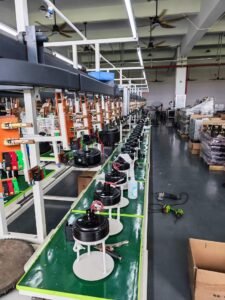
Industrial fans often feature reinforced metal blades and heavy-duty motors. They are tested for balance and vibration resistance. From a manufacturer’s standpoint, material selection and quality control are critical here.
Large-diameter fans can replace multiple small units. This reduces installation and maintenance costs for your clients. It is a strong selling argument in B2B negotiations.
Many commercial buyers also ask for compliance documents. Certifications and load tests help them pass inspections smoothly. Supplying complete documentation builds trust and repeat business.
Advantages for business customers include:
- Reduced energy consumption
- Lower maintenance frequency
- Improved worker comfort and productivity
Energy-Efficient and Smart Ceiling Fan Technologies
Energy efficiency is no longer optional. Smart ceiling fans combine advanced motors with intelligent controls. These fans appeal to commercial developers and premium residential projects.
DC motors consume significantly less power than traditional designs. They also offer smoother speed control. In our factories, DC motor integration requires tighter tolerances, but the value is clear.
Smart features include remote controls, app connectivity, and automation. For your customers, this means easier operation and better user experience. For you, it means higher perceived value.
Governments worldwide promote energy-saving appliances. Supplying efficient ceiling fans helps your clients qualify for green building programs. For reference, energy efficiency standards are often aligned with guidance from organizations like the U.S. Department of Energy:
https://www.energy.gov
Business advantages:
- Stronger product differentiation
- Higher acceptance in regulated markets
- Long-term brand positioning
Decorative and Designer Ceiling Fans
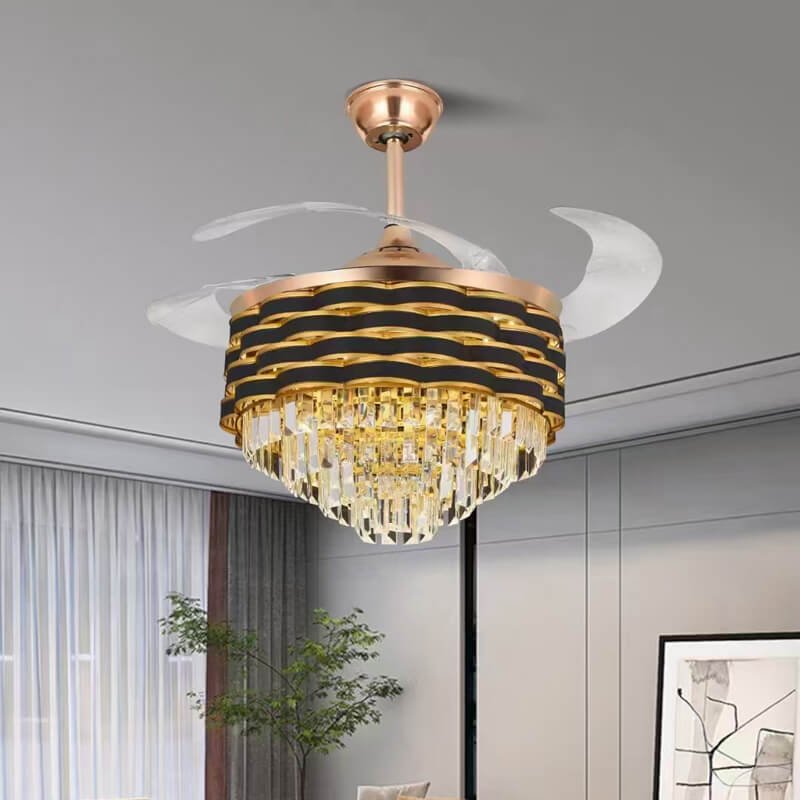
Designer ceiling fans focus on visual appeal. They are popular in hotels, villas, and retail spaces. While airflow matters, appearance often drives purchasing decisions.
These fans use unique blade shapes, premium finishes, and integrated lighting. From a manufacturing view, they require closer coordination between design and production teams.
Customization plays a big role. Buyers may request exclusive designs or limited runs. This reduces price competition and builds brand identity for your clients.
Designer fans also create storytelling opportunities. When you sell a product with a design concept, buyers can market it more effectively.
Why B2B buyers choose decorative fans:
- Higher profit margins
- Brand differentiation
- Strong appeal in hospitality projects
Outdoor and Weather-Resistant Ceiling Fans
Outdoor ceiling fans are engineered for harsh conditions. They are used in patios, resorts, and semi-open commercial areas. Moisture resistance is the top concern.
These fans use corrosion-resistant coatings and sealed motors. During production, material testing is essential. Poor choices lead to early failure and disputes.
From your perspective, offering reliable outdoor models opens new markets. Tourism and leisure projects often require bulk orders.
Clear usage guidelines also matter. Educating buyers on correct installation reduces complaints and warranty claims.
Key outdoor features include:
- Rust-resistant components
- Stable airflow in humid conditions
- Long service life
Blade Materials and Motor Technologies
Blade material affects airflow, noise, and durability. Common options include metal, ABS, and engineered wood. Each has its place.
Metal blades are strong and cost-effective. They suit industrial and commercial fans. ABS blades resist moisture and are lightweight, making them ideal for modern designs.
Motor choice is equally important. AC motors are affordable and proven. DC motors offer efficiency and control. As a manufacturer, offering both gives buyers flexibility.
Quality testing ensures balance and safety. This protects your reputation and reduces after-sales costs.
Material and motor comparison:
| Feature | AC Motor | DC Motor |
|---|---|---|
| Energy Use | Moderate | Low |
| Noise Level | Standard | Very Low |
| Cost | Lower | Higher |
Choosing the Right Ceiling Fan for Your Business
Selecting the right ceiling fan is about matching performance with application. Bulk buyers look beyond unit price. They care about reliability, compliance, and long-term value.
You should consider target market standards, climate conditions, and usage patterns. Offering clear product segmentation helps buyers decide faster.
From our experience, successful partnerships come from transparency. Share test data, certifications, and realistic lead times. This builds trust.
When buyers feel supported, they return with larger orders.
Frequently Asked Questions
What ceiling fan types are best for bulk commercial projects?
Commercial and industrial fans with metal blades and high airflow are ideal. They cover large spaces efficiently and reduce HVAC costs, which appeals to facility managers and developers.
Are energy-efficient ceiling fans more expensive to source?
Initial costs can be higher, but energy-efficient models offer better long-term value. Many buyers accept higher pricing due to compliance benefits and lower operating expenses.
How do manufacturers ensure consistent quality?
Quality control includes motor testing, balance checks, and material inspection. Reliable factories follow standardized processes to ensure every batch meets specifications.
Can ceiling fans be customized for private labels?
Yes, most manufacturers support OEM services. This includes logo branding, packaging design, and color customization to match your market needs.
What certifications are important for export markets?
Common requirements include CE, RoHS, and energy efficiency labels. These vary by region, so confirming target market standards is essential.
How long is the typical lifespan of a ceiling fan?
With proper materials and maintenance, a quality ceiling fan can operate efficiently for many years, especially in controlled indoor environments.
Conclusion
The market for ceiling fans continues to evolve. By understanding the different designs, technologies, and applications, you position your business for long-term success. The right ceiling fan solution adds value, saves energy, and builds strong customer relationships. When sourced and manufactured correctly, ceiling fans are not just products, but reliable comfort solutions.