
Choosing the right manufacturing partner can feel tricky, even overwhelming. You are not just buying products. You are building a supply chain that affects your reputation, profits, and growth. When it comes to ceiling fans, the stakes are high. Quality issues, late delivery, or poor communication can cost you real money. This guide explains how to choose the right Ceiling Fans Manfacturer from a true business-to-business point of view. You will learn what really matters, what to check first, and how to avoid costly mistakes.
Ceiling Fans Manfacturer
A Ceiling Fans Manfacturer plays a central role in your business success. This partner controls materials, production quality, timelines, and innovation. From our first-hand experience as a manufacturer, buyers who focus only on price often regret it later. A reliable manufacturer supports you far beyond the invoice.
Manufacturers differ widely in size and capability. Some focus only on assembly, while others manage everything from motor production to final testing. You benefit most when you work with a manufacturer that understands export markets, compliance rules, and B2B expectations.
A strong manufacturer helps you scale. When your orders grow, they grow with you. They also help solve problems before they reach your customers. That kind of support is hard to replace.
Why this matters to you:
- Stable quality protects your brand
- Consistent supply keeps your customers happy
- Professional support reduces business risk
Understanding the Global Ceiling Fan Industry
The ceiling fan industry is global and competitive. Manufacturers operate across Asia, Europe, and emerging markets. Each region has different strengths. Understanding this landscape helps you make smarter choices.
Many buyers source from countries with strong manufacturing ecosystems. These regions offer skilled labor, mature supply chains, and export experience. However, not all factories within these regions perform equally.
From our experience, the best manufacturers invest in technology and people. They follow market trends closely and upgrade equipment regularly. This allows them to meet changing energy and safety standards.
You should also understand demand cycles. Seasonal demand affects lead times and pricing. Planning ahead with your manufacturer gives you an edge.
Key industry insights:
- Demand is shifting toward energy efficiency
- Compliance requirements are increasing
- B2B buyers value reliability over short-term savings
Manufacturing Capabilities and Infrastructure
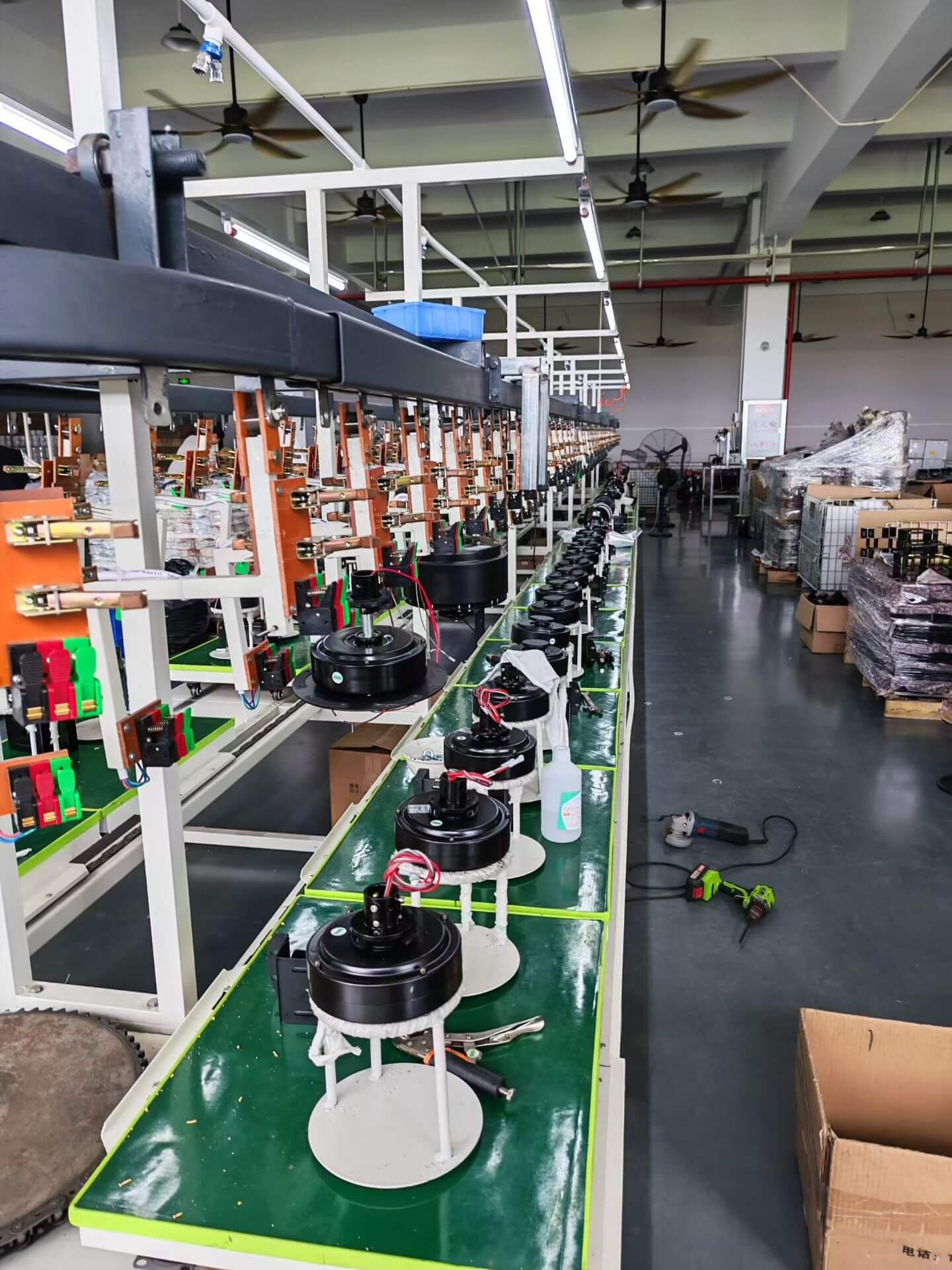
A factory’s infrastructure tells you a lot. Modern equipment, organized workflows, and clear processes are strong indicators of reliability. When you visit or audit a factory, look beyond the showroom.
Production capacity matters. A manufacturer should handle your current volume and future growth. If they are already overloaded, delays are likely.
Automation improves consistency. Automated winding machines, balancing systems, and testing lines reduce human error. From a manufacturing standpoint, this means fewer defects and more predictable quality.
What you should evaluate:
- Factory size and layout
- Monthly production capacity
- Level of automation
A capable manufacturer gives you peace of mind. You know your orders are in safe hands.
Product Range and Technical Expertise
A wide product range shows technical depth. Manufacturers that produce residential, commercial, and industrial fans usually have stronger engineering teams.
Technical expertise matters when problems arise. A knowledgeable manufacturer can adjust blade pitch, motor specs, or materials to suit your market. This flexibility saves you time and cost.
You also benefit from innovation. Manufacturers with R&D teams introduce new designs and technologies faster. This helps you stay competitive.
Common product categories include:
- Standard residential ceiling fans
- High-airflow commercial fans
- Heavy-duty industrial models
When your supplier understands products deeply, you receive better solutions, not just items.
Quality Control and Compliance Standards
Quality control is non-negotiable. A good manufacturer tests products at multiple stages. Incoming materials, in-process checks, and final inspections all matter.
Compliance is equally important. Export markets require certifications such as CE, RoHS, or energy labels. A professional manufacturer understands these requirements and prepares documents correctly.
From our side, strong quality systems reduce disputes and returns. For you, they protect your brand image.
For general guidance on energy efficiency standards, you can refer to the U.S. Department of Energy:
https://www.energy.gov
Quality indicators to look for:
- Documented inspection procedures
- In-house testing labs
- Clear certification support
Customization, OEM, and ODM Services
Customization separates average suppliers from strategic partners. Many B2B buyers need private labels, unique designs, or specific packaging.
OEM services allow you to sell under your own brand. ODM services go further by offering design input. From experience, buyers who use these services build stronger market identity.
Customization also includes technical specs. Adjusting voltage, plug types, or finishes helps you meet local needs.
Customization benefits for you:
- Stronger brand control
- Reduced competition
- Better customer loyalty
Supply Chain Reliability and Lead Time
Reliable delivery keeps your business running smoothly. Delays can damage customer trust and cash flow.
A good manufacturer manages suppliers well. They stock key materials and plan production carefully. During peak seasons, this makes a big difference.
You should ask about lead times and buffer capacity. Honest answers show professionalism.
What to confirm:
- Average production lead time
- On-time delivery rate
- Contingency plans
Reliable supply is a hidden competitive advantage.
Pricing Structure and Long-Term Cost Value
Price matters, but value matters more. The lowest quote often hides risks. Poor materials, weak quality control, or slow service can cost you more later.
Transparent pricing builds trust. A good manufacturer explains cost drivers clearly. This helps you plan pricing and margins.
You should also consider total cost. This includes defects, delays, and after-sales support.
Smart pricing evaluation includes:
- MOQ flexibility
- Stable long-term pricing
- Quality-to-cost balance
Communication, Support, and After-Sales Service
Clear communication saves time. A responsive manufacturer answers questions quickly and clearly.
After-sales support matters too. When issues arise, you need solutions, not excuses. From experience, strong support builds long-term cooperation.
You benefit when your manufacturer treats you as a partner, not just an order number.
Building Long-Term B2B Partnerships
The best relationships grow over time. Trust, consistency, and shared goals define strong partnerships.
A reliable Ceiling Fans Manfacturer supports your growth and adapts as your business evolves. This stability allows you to focus on sales and market expansion.
Long-term partners invest in you, just as you invest in them.
Frequently Asked Questions
Why is choosing the right manufacturer so important?
The right manufacturer ensures consistent quality, reliable delivery, and proper compliance. This protects your brand and reduces business risks over time.
Should I visit the factory before placing orders?
Yes, factory visits or audits help you verify capacity, quality systems, and professionalism. They also build trust between both sides.
How do I verify certifications?
Ask for valid certificates and test reports. A professional manufacturer will provide them without hesitation.
Is customization worth the extra cost?
Customization often increases brand value and customer loyalty. For many B2B buyers, the long-term benefits outweigh the initial cost.
What is a reasonable lead time for ceiling fans?
Lead times vary by order size and season. Clear agreements and planning help avoid delays.
Can a manufacturer support business growth?
Yes, scalable manufacturers adjust capacity, develop new products, and support expanding markets.
Conclusion
Choosing the right manufacturing partner is a strategic decision. When you evaluate capability, quality, communication, and long-term value, you reduce risk and increase success. A strong manufacturer is not just a supplier, but a foundation for growth.