When you source ceiling fans for your business, you are buying more than a finished product. You are investing in a complex manufacturing process that blends engineering, materials, and strict quality control. Understanding How is Ceiling Fans Produced helps you make better purchasing decisions and communicate real value to your customers. As a manufacturer, we see every stage firsthand, from raw material selection to final packaging. This article walks you through the complete process in clear, simple language, focusing on what truly matters to you as a B2B buyer.
Ceiling Fans Production Overview
Ceiling fans are produced through a structured and carefully controlled process. Each step builds on the previous one. When done correctly, the result is a reliable, efficient, and long-lasting product that supports your brand.
The production process begins with design planning. Engineers define airflow targets, motor capacity, and safety standards. These plans guide every department on the factory floor. Clear specifications reduce errors and improve consistency.
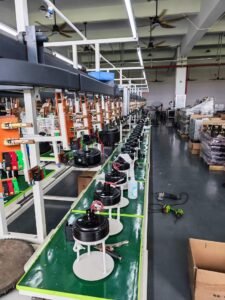
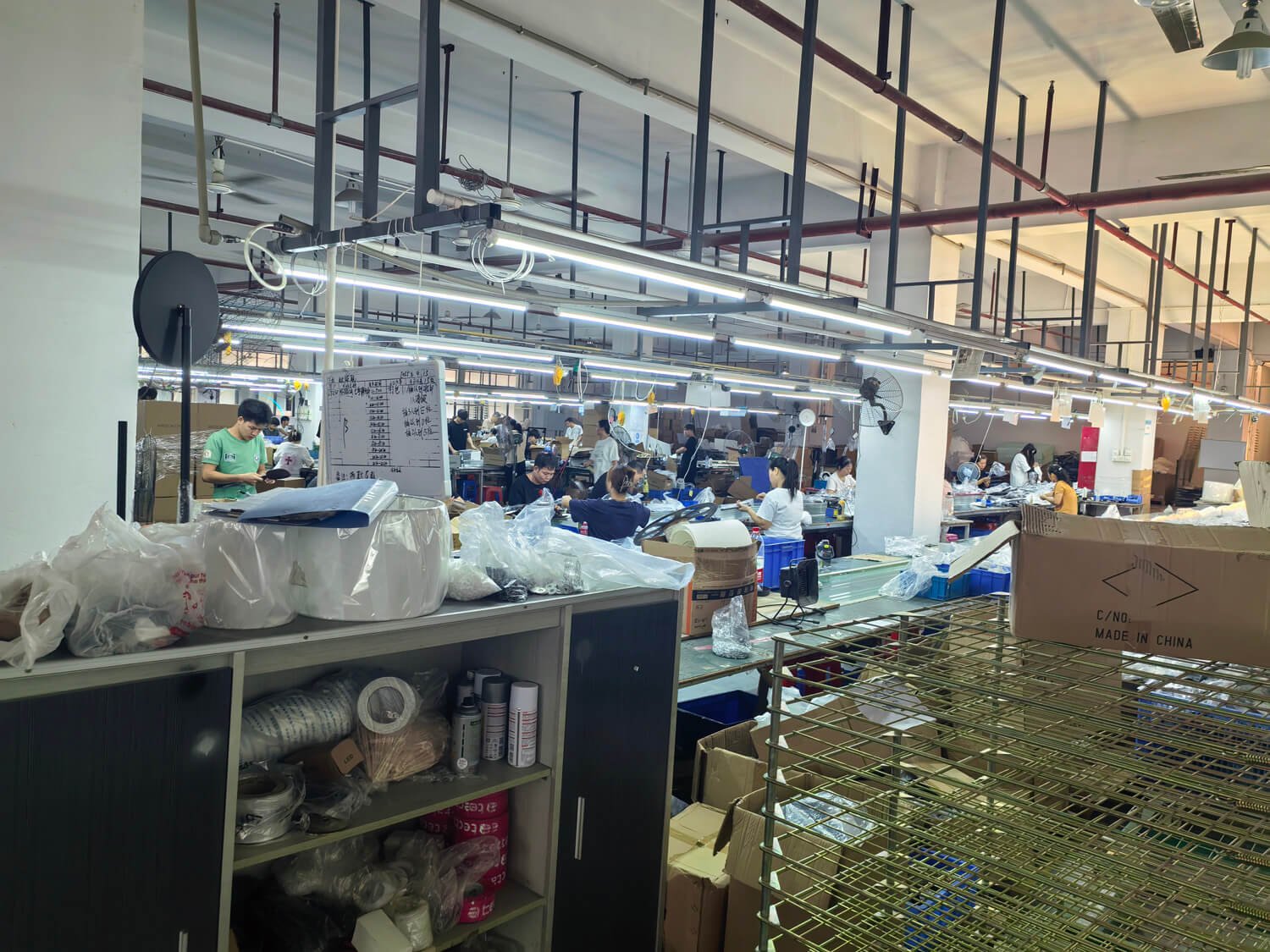
Manufacturing is usually divided into parallel lines. Motors, blades, and electrical parts are produced separately. This allows better quality control and faster output. Once each part meets standards, final assembly begins.
From a business view, this structured approach protects you. It ensures repeat orders meet the same quality level as the first batch. Consistency is key in long-term supply relationships.
Key production principles include:
- Standardized processes
- Traceable components
- Documented inspections
Raw Material Selection and Preparation
Raw materials define product quality. A reliable factory starts with trusted suppliers and strict incoming inspections. Metals, plastics, and copper are tested before use.
Steel and aluminum are common for motor housings and brackets. These materials provide strength and stability. Plastics such as ABS are used for blade covers and decorative parts. Copper is critical for motor windings.
Materials are cut, molded, or stamped into basic shapes. Precision matters here. Small deviations can affect balance and noise. From experience, strong material control reduces defect rates later.
You benefit because high-quality materials reduce warranty issues. They also improve durability, which your customers value.
Material checks often include:
- Thickness measurement
- Conductivity testing
- Surface inspection
Motor Manufacturing and Assembly
The motor is the heart of the fan. Its quality determines performance, noise level, and lifespan. Motor production is one of the most technical stages.
Stator cores are stacked and insulated. Copper wire is wound precisely around them. Automated winding machines ensure uniform tension and placement. This improves efficiency and reduces heat.
Rotors are assembled and balanced. Imbalance causes vibration, which leads to noise and wear. Balancing machines correct this before assembly continues.
Motors are then tested under load. Speed, power consumption, and temperature rise are measured. Only motors that meet standards move forward.
For you, a well-made motor means fewer complaints and better market reputation.
Blade Design and Fabrication
Blades control airflow. Their shape, angle, and material all matter. Blade design balances airflow, noise, and aesthetics.
Metal blades are stamped and reinforced. Plastic blades are injection molded. Wooden blades are cut and treated. Each method has strict controls.
Blade pitch is carefully set. Too steep increases noise. Too flat reduces airflow. Engineers test prototypes before mass production.
After forming, blades are checked for weight consistency. Matching blade weight is critical for balance.
Blade considerations include:
- Aerodynamic efficiency
- Structural strength
- Visual consistency
Surface Treatment and Finishing
Surface treatment protects parts and improves appearance. It also affects long-term durability.
Metal parts often receive anti-rust coatings. Powder coating and electroplating are common methods. These finishes resist corrosion and scratches.
Painting lines apply color evenly. Automated spray systems improve consistency. Curing ovens harden the finish.
Finishing quality matters to you because customers notice it first. A smooth, durable finish adds perceived value.
Electrical Assembly and Wiring
Electrical assembly connects motors, capacitors, and controls. Safety is the top priority here.
Wires are cut to length and insulated properly. Connections are secured and tested. Poor wiring can cause failures or safety risks.
Control systems are added. These may include wall controls or remote receivers. Each system is checked for response and stability.
From a manufacturing view, clear wiring layouts reduce errors. From your view, they reduce after-sales problems.
Quality Control and Performance Testing
Quality control happens at every stage, but final testing is critical. Finished units are tested as complete systems.
Fans are run at different speeds. Noise, vibration, and power use are measured. Safety tests ensure secure mounting and insulation.
Documentation is created for each batch. This traceability protects both manufacturer and buyer.
For general energy efficiency guidance, many factories align with recommendations from the U.S. Department of Energy: https://www.energy.gov
Final tests include:
- Balance testing
- Electrical safety checks
- Visual inspection
Packaging, Storage, and Logistics
Packaging protects products during transport. For export orders, this step is crucial.
Components are packed securely. Foam inserts prevent movement. Cartons are labeled clearly for handling and tracking.
Bulk packaging options reduce shipping cost. Storage areas are organized to avoid damage.
You benefit from proper packaging through fewer transit claims and smoother delivery.
How is Ceiling Fans Produced
So, How is Ceiling Fans Produced in a way that supports your business goals? It is about discipline, systems, and experience. Every step, from materials to packaging, follows defined standards.
A reliable production process ensures consistent output. It allows customization without chaos. It supports scaling when your orders grow.
From our experience, buyers who understand this process ask better questions. They choose partners wisely. That leads to long-term success for both sides.
Sustainability and Process Improvement
Modern factories focus on efficiency and sustainability. Waste reduction and energy savings matter.
Recycling scrap metal, optimizing energy use, and improving motor efficiency all play roles. These efforts reduce cost and support environmental goals.
For you, sustainable production adds marketing value and meets regulatory expectations.
Frequently Asked Questions
Why is motor quality so important in ceiling fan production?
The motor controls airflow, noise, and lifespan. A well-made motor reduces energy use and maintenance, which benefits both buyers and end users.
How long does the production process usually take?
Production time depends on order size and customization. Clear planning and stable processes help maintain reliable lead times.
What materials are most commonly used?
Steel, aluminum, copper, and engineered plastics are widely used. Each material is selected for strength, efficiency, or appearance.
How do manufacturers ensure product safety?
Safety is ensured through insulation checks, balance testing, and compliance with international standards before shipment.
Can production be customized for different markets?
Yes, voltage, finishes, controls, and packaging can be adjusted to meet local market needs.
How does quality control protect B2B buyers?
Strong quality control reduces defects, returns, and disputes. It protects your brand and improves customer satisfaction.
Conclusion
Understanding how ceiling fans are made gives you confidence. You know what to expect, what to ask, and what quality looks like. A transparent and controlled production process supports your business growth and strengthens partnerships.